Traveling with Pets: What to Pack for Stress-Free Trips
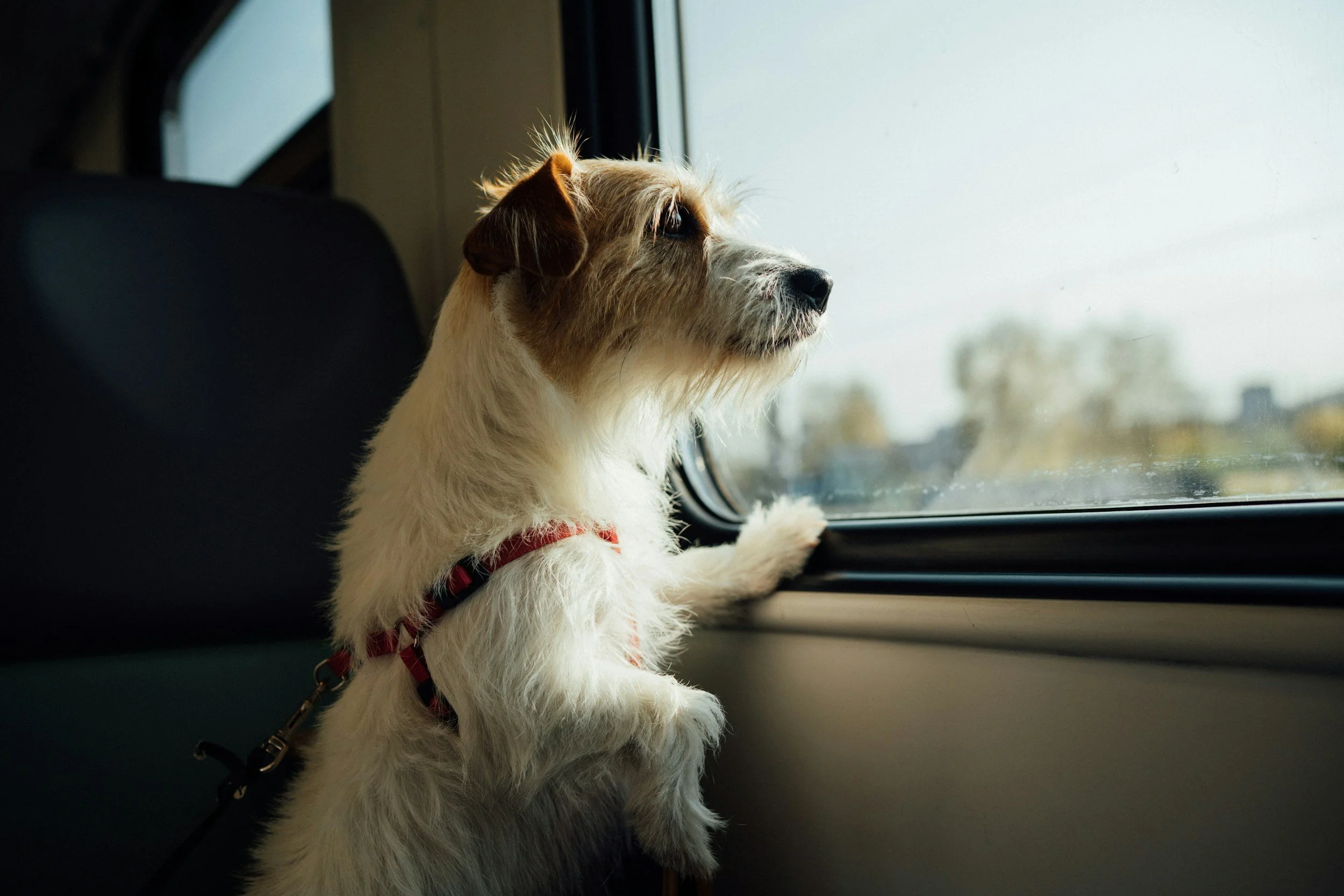
Traveling with your pet can be such a joy… right up until you realize you forgot the one thing that would’ve prevented a meltdown on I-95. Whether you’re heading to the beach, the mountains or just up to Baltimore for a weekend, having a well-packed travel kit makes all the difference. Let’s walk through the essentials I recommend for my clients that are simple, practical and guaranteed to keep everyone comfortable.
1. Start With the Daily Basics
Think of this as your “don’t leave home without it” list:
Food and portable bowls (at least a day’s extra supply)
Fresh water in a spill-proof bottle
Leash and harness
Travel litter box for cats
Waste bags
Your pet’s medications (plus an extra day’s worth)
A familiar blanket or towel for comfort and warmth
A favorite toy to help settle nerves
These items keep your pet grounded no matter where you are and help you avoid those “Well… we’ll just buy another one” moments.
2. Safety First, Always
A few smart additions can prevent accidents and make emergencies far less scary:
Up-to-date ID tags with your mobile number
Microchip info written down or saved in your phone
Recent photo of your pet (useful if you get separated)
A well-fitted carrier or travel crate
Pet seat belt or car-safe harness
Pro tip: Buckling in your furry friend is one of the simplest ways to protect them.
3. A Mini First-Aid Kit You’ll Be Glad You Packed
You don’t need a giant medical bag, just a compact kit with the basics:
Gauze pads
Self-adhesive bandage wrap
Tweezers
Disposable gloves
Saline wipes
Pet-safe antiseptic
Any emergency meds your vet recommends (like anti-nausea tablets)
Trust me, no one ever regrets having these on hand, especially if your dog decides that the only appropriate place to investigate is inside a thorn bush.
4. Grooming and Clean-Up Must-Haves
Travel gets messy. Be prepared:
Brush or comb
Pet-safe wipes for paws, fur and faces
Lint roller (you know you’ll need it)
Small towel for wet bellies after unexpected puddles
Poop bags: pack more than you think, then toss in two more
Keeping things tidy makes traveling easier for you and your pet and keeps your car from turning into a furry Jackson Pollock painting.
5. Comfort Items That Make a Big Difference
A relaxed pet is a well-behaved pet:
Calming chews or treats
Pheromone spray for carriers (such as Adaptil for dogs or Feliway for cats)
A lightweight bed or travel mat
An old T-shirt that smells like you (works wonders for anxious pets)
Comfort is especially important for pets who get nervous on the road. A little familiarity goes a long way.
6. Paperwork and “Just in Case” Documents
I know, it’s not glamorous… but it’s necessary:
Vaccination records
Any relevant medical history
Emergency vet numbers for your destination
Copy of your pet insurance card if you have one
If you’re flying, some airlines require proof of health within a certain window, so check ahead. Contact Dr. Perry if you need travel certificates.
7. Optional Extras That Often Become Essentials
These aren’t musts, but they’re the things clients always tell me they wish they’d thought to bring:
Portable fan for warm days
Paw balm for hot pavement or cold weather
Collapsible playpen for hotels or rentals
Pet-safe sunscreen for light-colored pups
You know your pet best — pack the extras that match their little quirks and habits.
Final Thoughts
Traveling with your pet should feel fun, not chaotic. A solid travel kit keeps stress low, comfort high and gives you the confidence to enjoy the journey. Start with the basics, add what fits your pet’s personality and you’ll be ready for just about anything the road throws your way.
And if you ever want personalized recommendations before a big trip, just reach out! I’m always happy to help you and your furry copilot get where you’re going safely.