Why Routine Matters for Cats and Dogs (and How to Build One)
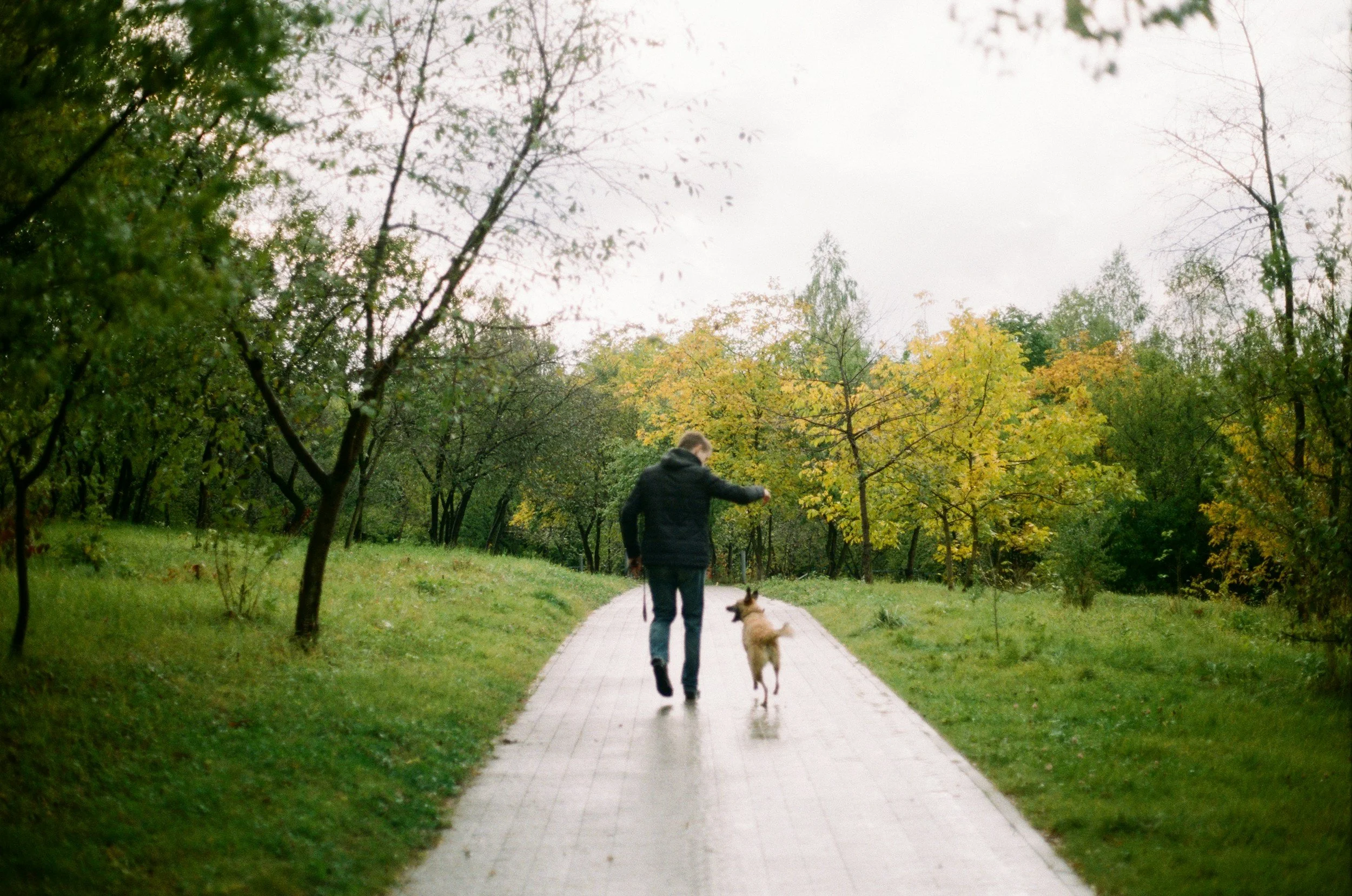
Pets don’t read calendars, but they absolutely know when something is “off.” If mealtimes shift, walks disappear or bedtime turns into chaos, your cat or dog notices. And they react. Sometimes subtly… sometimes by yelling at you at 5 am.
Routine isn’t about rigidity. It’s about predictability. And for cats and dogs, predictability equals safety.
Why Routine Is So Important for Pets
Cats and dogs thrive when they know what’s coming next. In veterinary medicine, we see over and over that consistent routines help reduce:
Anxiety and stress
Destructive behaviors
Excessive barking or vocalization
Litter box or house-training issues
Sleep disruptions
Routine helps regulate your pet’s internal clock. Feeding, exercise, play, and rest all cue their bodies and brains to function smoothly. When those cues disappear or change constantly, stress hormones rise and behavior problems tend to follow.
In other words, routine is preventive care. No prescription required.
Cats Need Routine More Than They Let On
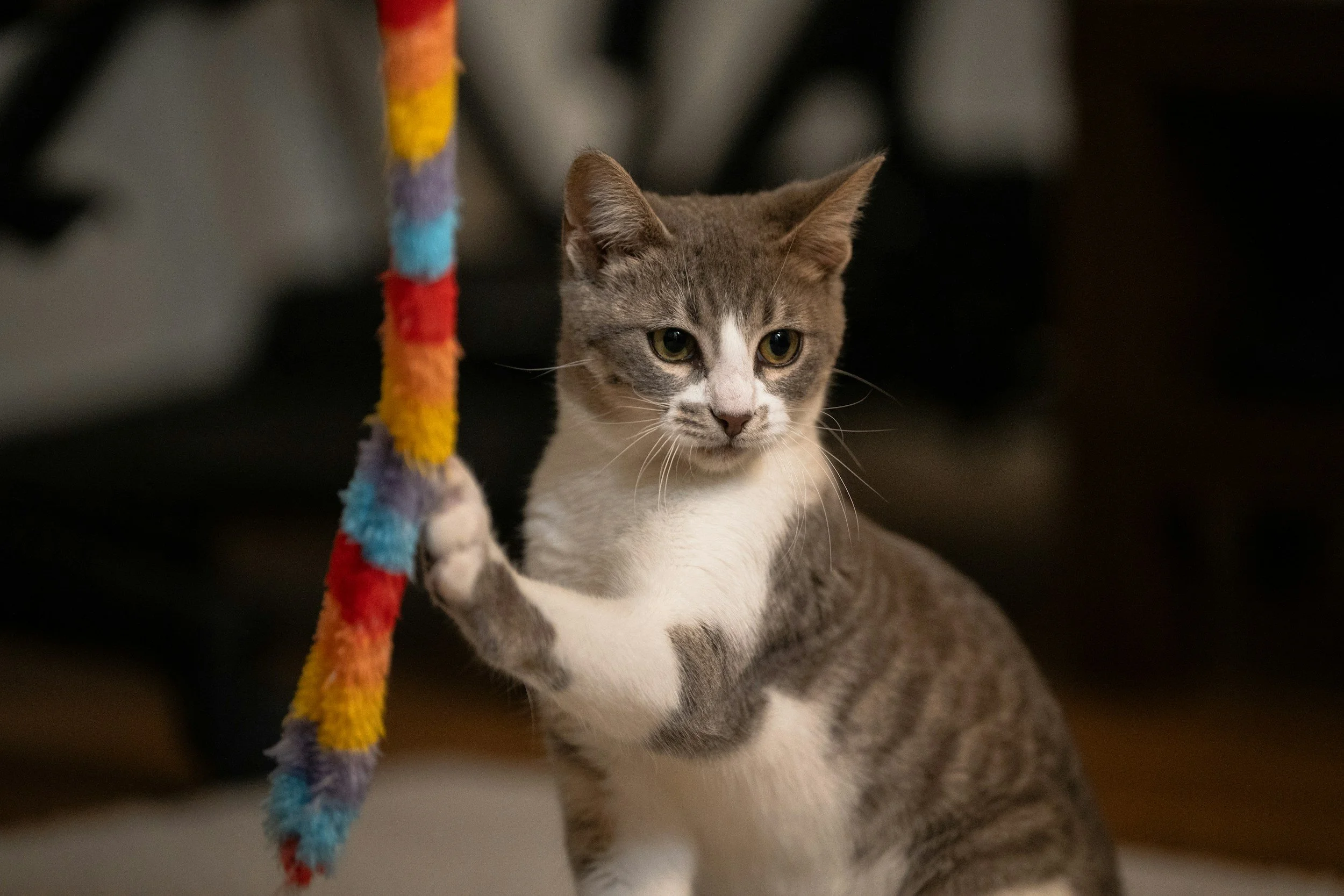
Cats have a reputation for independence, but they are deeply routine-driven creatures. Many behavioral complaints I hear from cat owners trace back to one thing: a disrupted schedule.
Common triggers include:
Feeding at inconsistent times
Sudden changes in household activity
Skipping play sessions
Irregular litter box maintenance
Cats don’t cope well with uncertainty. Routine helps them feel in control of their environment, which reduces anxiety-related behaviors like overgrooming, hiding, or nighttime zoomies.
Dogs Depend on Routine for Emotional Balance
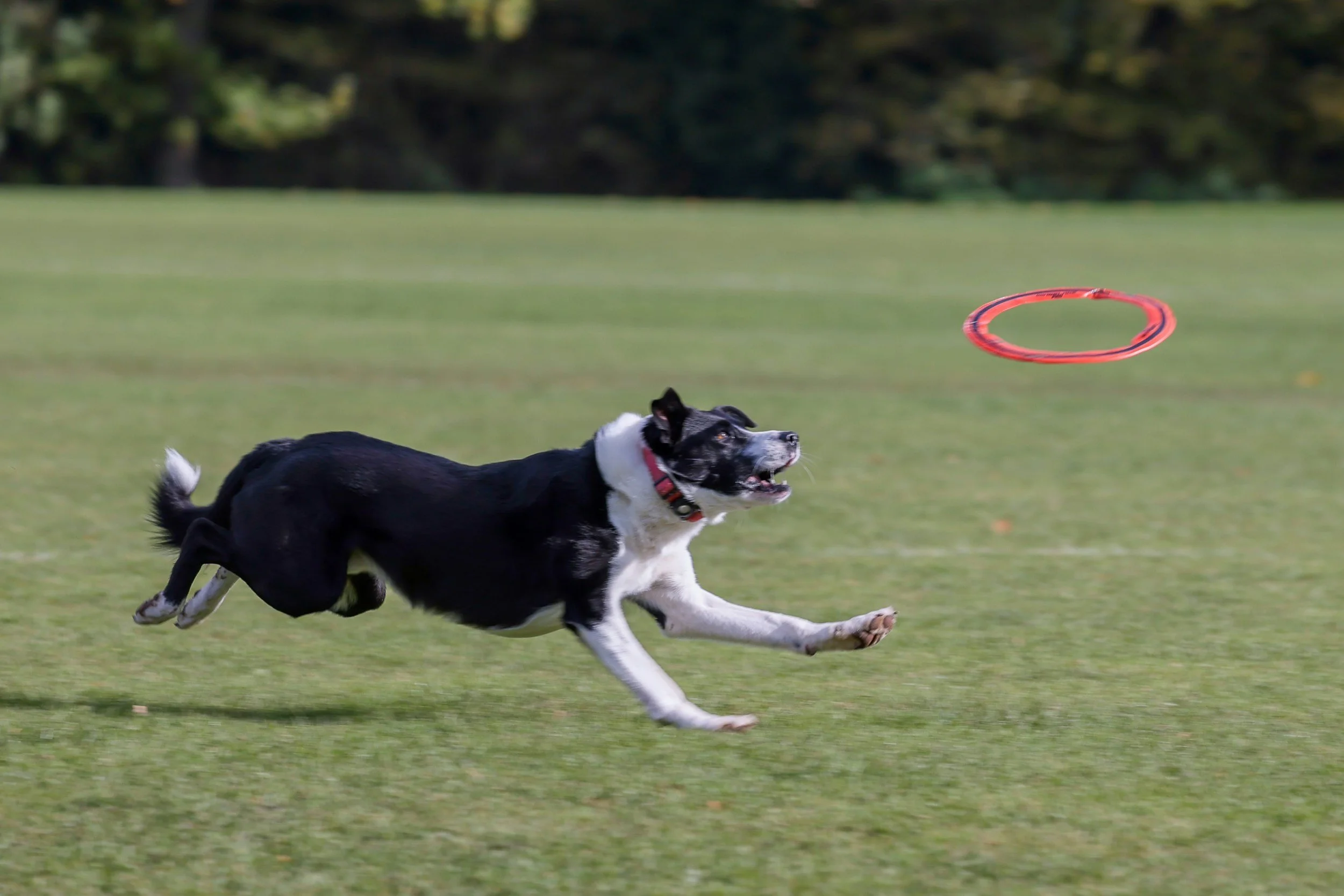
Dogs look to us for structure. Walks, meals, training, and downtime all help dogs understand their role in the household.
Without routine, dogs may:
Act out for attention
Develop separation anxiety
Become hyperactive or restless
Struggle with house training
Routine builds confidence. A dog who knows what’s expected is calmer, happier, and easier to live with. Everyone wins.
How to Build a Routine That Actually Works
Good news: routines don’t have to be complicated. They just need to be consistent.
Start With the Big Anchors
Focus on the most important daily events:
Meals
Walks or litter box checks
Playtime
Bedtime
Aim to keep these within the same general time window every day. Perfection is not required. Predictability is.
Pair Activities Together
Pets learn routines faster when events happen in sequence. For example:
• Morning walk → breakfast → rest
• Evening playtime → dinner → quiet time
This creates a rhythm your pet can rely on, even if exact times shift slightly.
Build in Mental Stimulation
Routine doesn’t mean boring. Scheduled play sessions, puzzle feeders, or training games give pets something to look forward to and help burn mental energy. A tired brain is a well-behaved brain.
Keep It Realistic
The best routine is one you can maintain. If your schedule changes, adjust gradually rather than all at once. Sudden shifts are harder on pets than small, predictable changes.

What to Do When Life Disrupts the Routine
Life happens. Travel, illness, work changes, kids home from school. When routines get disrupted, try to preserve at least one or two anchors, like consistent feeding times or bedtime rituals. If your pet shows signs of stress during transitions, that’s not misbehavior. That’s communication.
The Takeaway
Routine gives pets a sense of control in a world they don’t run. It helps them feel safe, balanced, and secure. And from a veterinary perspective, it’s one of the most underrated tools for improving behavior and overall wellbeing.
At Perry Paws Mobile, we don’t just look at your pet’s physical health. We look at how they live. During in-home visits, we can help fine-tune routines that work for your household and your pet’s individual needs. Contact us to request an at-home visit!
Because when your pet knows what to expect, life gets a whole lot calmer — for all of you.